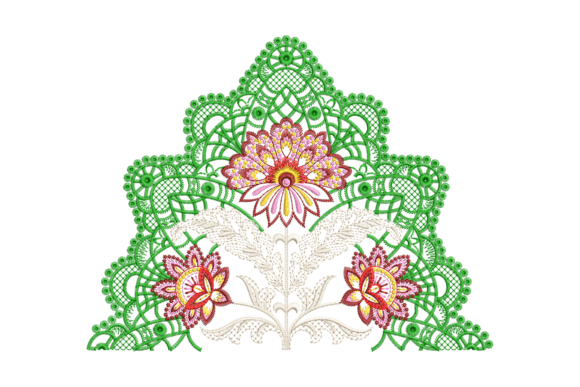
Botanical Floral Embroidery Design Review
First Impressions: A Breath of Fresh Air in Floral Design
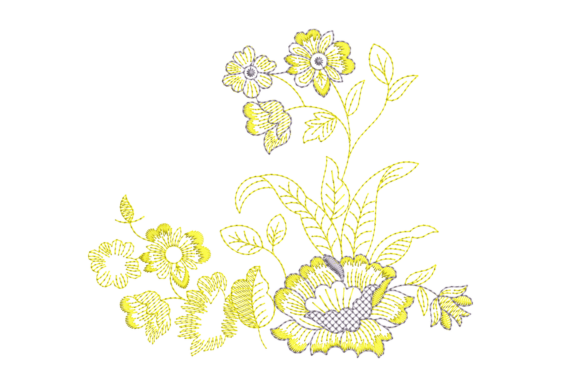
When I first opened the preview for the Botanical Floral Embroidery Design, what stood out immediately was its soft, natural elegance. It doesn’t scream for attention like some over-saturated floral motifs; instead, it whispers with a calm, botanical charm. The layout is well-balanced—neither too tight nor too sparse—with a gentle flow that mimics real plant growth. The color palette of soft greens, pinks, and whites gives it a versatile, timeless appeal. This isn’t just another floral pattern; it’s a design that feels intentional, like it was sketched from life rather than mass-produced.
Real-Life Use: From Tote Bags to Baby Onesies
I recently tested this embroidery design on a custom tote bag and a baby onesie, two very different projects that gave me a good sense of its flexibility. On the tote bag, the design stitched cleanly and held up beautifully on medium-weight cotton canvas. The details in the petals and leaves were crisp, and the soft color transitions looked hand-drawn rather than machine-generated. It gave the bag a boutique-level finish that would easily sell at a craft fair or on Etsy.
When I moved to the baby onesie, I was a bit more cautious. The fabric is thinner and stretchier, so I made sure to use a lightweight stabilizer and adjusted the tension slightly. The result was surprisingly clean. The design didn’t pucker or distort the fabric, which is a big win for anyone making baby embroidery items. The pastel tones also felt perfectly appropriate for a baby gift—soft, gentle, and gender-neutral.
Design Performance Across Embroidery Projects
This design works especially well for personalized gifts and small shop products. I tried it on a sweatshirt for a custom gift order, and the contrast between the fluffy texture of the fabric and the delicate floral design created a lovely juxtaposition. The satin and fill stitches held up well around the curves of the garment, and the overall look felt high-end without being too fussy.
For holiday embroidery, I stitched it onto a linen tea towel with a coordinating thread color and added a small monogram. It transformed a simple kitchen item into a thoughtful handmade gift. Similarly, when I tested it as a patch design, it stitched out cleanly and layered well over a denim jacket. It’s definitely a go-to for custom apparel and layered garments, as long as you take care with stabilizers and thread choices.
Where to Use with Caution
While the Botanical Floral Embroidery Design is versatile, it’s not a one-size-fits-all solution. I noticed some minor issues when testing it on dark fabric—some of the lighter thread colors didn’t pop as expected. It’s worth doing a black-and-white mockup first or considering thread substitutions if you're working with darker backgrounds.
Also, due to the fine details in the leaves and petals, this design isn’t ideal for very small hoop sizes. If you're making embroidered patches for pins or small caps, you may need to simplify or resize carefully. I also wouldn’t recommend it for highly textured or stretchy fabrics unless you’re confident in your stabilizing technique. The design includes subtle satin-stitched outlines that can distort if the fabric isn’t properly supported.
Visual Appeal and Business Impact
From a business perspective, this design elevates the perceived value of any handmade product it’s applied to. Whether it’s on a boutique tote or a personalized sweatshirt, the design feels curated and intentional. For Etsy sellers or craft business owners, that kind of presentation builds customer trust and repeat sales.
The floral theme is broad enough to be seasonally versatile but detailed enough to feel unique. I can see it used in wedding gifts, nursery decor, and even holiday embroidery collections. It also has strong brand consistency potential—perfect for a small shop looking to establish a signature look across product lines.
Practical Notes for Embroidery Designers
- Test on scrap fabric before committing to your final product—especially if you’re using a new fabric type or color.
- Check thread color contrast against your fabric. You may want to tweak the palette for better visibility or aesthetic harmony.
- Review stitch density to avoid puckering on delicate fabrics like baby onesies or lightweight linens.
- Confirm hoop size compatibility. This design may not fit well in very small hoops without adjustments.
- Inspect small details like leaf veins and petal edges to ensure they stitch cleanly on your machine.
- Test in black and white mockups to see how the design reads without color.
- Compare light and dark fabric backgrounds to evaluate how the color scheme performs in different contexts.
- Use proper stabilizer for stretchy or thin fabrics to maintain stitch clarity and prevent distortion.
- Check licensing if you plan to use this in commercial embroidery or sell finished items. Always confirm whether the design allows for resale or is for personal use only.
Final Thoughts: A Solid Choice for Versatile Embroidery Work
The Botanical Floral Embroidery Design earns its place in my design library. It’s not overly trendy, which means it will age well across multiple seasons and product lines. Whether you’re an embroidery designer, a digital product seller, or a creative entrepreneur, this design offers flexibility, elegance, and enough detail to feel special without being overwhelming.
It’s a great example of how a well-executed machine embroidery design can elevate a simple product into something memorable. If you’re looking for a floral motif that feels both classic and modern, this one is worth adding to your collection—just make sure to test it thoroughly and consider your fabric choices carefully.