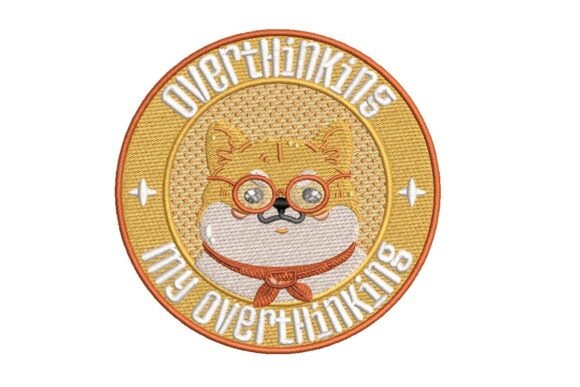
Shiba Inu Embroidery: A Craft Fair Must-Have?
First Impressions: Funny, Relatable, and Perfect for Personality-Packed Products
When I first saw the Shiba Inu Embroidery design titled “Overthinking My Overthinking,” I immediately thought—this is the kind of design that speaks to people. It’s not just cute (though the Shiba Inu is undeniably adorable), it’s also clever. That relatable humor? Gold for craft fairs and handmade markets. It leans into the “funny farmhouse” vibe that’s been trending, blending a bit of sass with a sweet doggo face. It’s modern enough to catch the eye of younger buyers, but soft enough to appeal to those who love a touch of whimsy in their handmade goods.
Where This Design Shines: From Tote Bags to Tea Towels
Let’s talk real-world applications. As a craft fair seller or Etsy maker, you want designs that are versatile and recognizable. This Shiba Inu embroidery works well across a variety of small shop products:
- Tote bags – The design makes a great focal point on natural cotton or linen bags. It’s eye-catching and adds a conversation starter.
- Aprons – Whether you’re selling kids’ aprons or boutique-style chef aprons, this design adds charm and humor.
- Tea towels – The farmhouse aesthetic fits right in with kitchen décor. Just make sure the lettering stays legible on textured fabric.
- Embroidered patches – This would make a fun iron-on patch for denim jackets or backpacks. It's small enough to work well at patch size without losing clarity.
- Caps and pouches – If the design includes a smaller version or simplified layout, it could work on curved cap surfaces or small zipper pouches.
Visual Appeal: Does It Stand Out on Display?
At a craft fair, you have seconds to grab attention. The Shiba Inu Embroidery has that “look-at-me” factor. The humor in the quote makes it memorable, and the dog illustration is clean and expressive. It’s bold enough to be noticed from a few feet away, but not so busy that it feels cluttered on smaller items like patches or pouches.
For online sellers, this design photographs beautifully. The contrast between the dog and the text helps it pop in product photos, especially when paired with neutral or light-colored backgrounds. Just be sure to test it on a few fabric tones to see how the thread colors hold up.
Production Practicality: Is It Easy to Stitch and Sell?
As an embroidery designer, I always ask: is this design production-friendly? Here’s the breakdown:
- Stitch density – Watch for dense areas in the dog’s fur or facial details. Too much density can pucker lightweight fabrics.
- Lettering size – The phrase “Overthinking My Overthinking” needs to remain legible. If it’s too small, it becomes a blur of thread.
- Hoop size – Check what hoop the design fits in. If it’s too big, it limits your product options like caps or small pouches.
- Thread colors – Make sure the color choices are versatile. Neutral browns and blacks for the dog with a contrasting color for the text work best for broad appeal.
Watch Out: Potential Pitfalls to Avoid
Before jumping into full production, there are a few red flags to look for:
- Small details – The Shiba Inu’s eyes or nose might get lost on very small versions. Always test on scrap fabric first.
- Text readability – Especially on textured towels or thick denim, small lettering can fade into the fabric.
- Dark fabric contrast – If using on black or navy, ensure the thread color pops. White or bright colors are best for visibility.
- Curved surfaces – Caps and curved items can distort the design if not hooped properly. Use a cap hoop or adjustable stabilizer.
Maximizing Booth Impact: Display Tips for Craft Fairs
At your craft fair booth, this design should be front and center. Pair it with other “dog mom” or “pet lover” items to create a theme. Use a mix of products—like a tote, a tea towel, and a patch set—to show versatility. A small embroidered pillow with this design can act as a booth sample that draws people in with its charm.
Use printable mockups online to show how the design looks on different items. This helps buyers visualize the product before purchase, especially if you're selling the digital embroidery file for DIYers or small business owners.
Business Builder: Branding and Buyer Engagement
For boutique makers and creative entrepreneurs, the Shiba Inu Embroidery design can become a signature piece. It’s unique enough to stand out in a crowded Etsy shop and relatable enough to sell fast. If you’re building a line of pet-themed or humor-based handmade products, this design can anchor your collection.
It also invites engagement. People love to share their own “overthinking” stories, making this a great conversation starter at your booth or in social media captions.
Designer Notes: Test Before You Invest
Before production, always:
- Test the design on scrap fabric – Especially if you’re using textured or stretchy materials.
- Check thread contrast – Make sure the colors pop on your chosen fabric.
- Review spacing and density – Prevent puckering by ensuring the design isn’t too dense.
- Confirm hoop size – Know your machine’s limits to avoid resizing issues.
- Inspect stitch density – Dense areas can cause stiffness or fabric distortion.
- Use the right stabilizer – Especially for thick or stretchy fabrics.
- Create at least one real mockup – Don’t rely solely on digital previews.
- Compare fabric colors – Some thread colors may not show up as expected on dark or patterned fabrics.
- Confirm commercial licensing – Before selling finished products or sharing the embroidery file, make sure you’re legally covered.
Final Verdict: Is Shiba Inu Embroidery Worth It?
Absolutely. The Shiba Inu Embroidery design is a smart pick for craft fair sellers, Etsy shop owners, and digital embroidery file sellers alike. It’s cute, clever, and commercially viable when used thoughtfully. It’s the kind of design that sells itself—especially when stitched onto tote bags, tea towels, or patches that shoppers can imagine using or gifting.
If you're looking to add a touch of humor and personality to your product lineup, this design checks all the boxes: visual appeal, marketability, and practicality. Just remember to test, test, test before full production—and always keep your customer’s eye in mind.