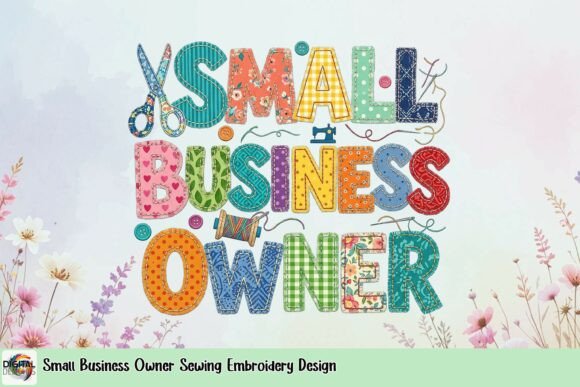
Small Business Owner Sewing Embroidery Design
First Impressions: A Vibrant, Friendly Design for Creative Brands
As an experienced embroidery designer, the Small Business Owner Sewing Embroidery Design immediately stands out as a cheerful, approachable graphic. The mention of “colorful” and “fabric-like letters” suggests a design that feels handmade and welcoming—perfect for small businesses that want to showcase pride in their craft. It reads as both professional and personable, making it ideal for Etsy sellers, boutique owners, and local artisans who want to connect with customers through branded merchandise.
Real-World Business Applications: From Patches to Product Packaging
This embroidery design works well across a variety of commercial uses. Whether you're creating embroidered patches for a handmade brand or adding a chest logo to staff uniforms, the bold text ensures visibility and recognition. Here’s how it performs in different business settings:
- Embroidered Patches: The large, fabric-textured letters make this design ideal for sew-on or iron-on patches. It holds up well in medium to large patch formats, offering a strong visual presence.
- Apron & Cap Embroidery: On apparel like aprons or caps, the design maintains its legibility and visual appeal, especially when placed on flat surfaces like the chest or front panel.
- Tote Bag Branding: When stitched onto tote bags, the design becomes a clear brand marker—great for boutique packaging or customer gifts.
- Product Packaging Accents: Used as a small embroidered label or accent on handmade goods, it adds a premium, personalized touch.
For small business merch like t-shirts, workwear, or event giveaways, this machine embroidery design brings a handmade aesthetic that aligns with creative studios, local bakeries, florists, and pet brands.
Where to Use with Caution
While the Small Business Owner Sewing Embroidery Design is visually appealing, there are a few practical considerations before applying it to all merchandise:
- Small Patch Sizes: The fabric-like texture and letter outlines may get lost when scaled down. Always test at intended size before full production.
- Cap Fronts & Curved Surfaces: Depending on the stitch density, curved embroidery can distort the design’s clarity. Use a cap hoop and appropriate stabilizer for best results.
- Dark Uniforms: The colorful nature of the design may require underlay adjustments or thread color swaps to ensure visibility on darker fabrics.
- Frequent Washing: High stitch density and detailed outlines may wear faster on frequently laundered items like aprons or work shirts. Consider thread quality and fabric texture for durability.
Impact on Brand Identity & Customer Perception
When used thoughtfully, this embroidery file enhances brand identity by adding a consistent, recognizable visual element across merchandise and uniforms. It communicates professionalism while retaining a handmade charm—key for small businesses aiming to build trust and customer loyalty.
For Etsy sellers or craft business owners, this design reinforces a creative, approachable brand voice. On product packaging or customer gifts, it adds a personal touch that elevates perceived product value. As part of a larger visual branding strategy, it should be used alongside other design assets to maintain visual consistency across digital and physical materials.
Practical Notes for Embroidery Designers
Before using the Small Business Owner Sewing Embroidery Design in production, here are some key steps to follow:
- Test in Black & White First: This helps identify clarity and contrast issues, especially if the design will be adapted for different thread palettes.
- Check Small Patch Performance: Run a test stitch at the intended patch size to ensure legibility and detail retention.
- Review Thread Color Contrast: Especially important for dark fabrics—consider using a thread chart or printable mockup to visualize the final look.
- Inspect Letter Spacing: Fabric-like textures can sometimes create gaps that may affect readability when stitched.
- Confirm Hoop Size Compatibility: Ensure the design fits within your machine’s hoop dimensions without distortion.
- Test on Real Fabric: Thread behavior can vary by material—always stitch a sample on the intended fabric type.
- Use Proper Stabilizer: Especially for textured or stretchy materials, to prevent puckering or distortion.
- Create a Mockup for Client Approval: Especially useful for small business clients who may not be familiar with embroidery design previews.
- Compare with Other Design Assets: Ensure it aligns with your brand’s other graphics, logos, and visual elements.
- Confirm Commercial Licensing: Since this is a digital embroidery file, verify that it’s licensed for commercial use before applying it to merchandise or client projects.
Final Thoughts: A Versatile Addition to Your Design Toolkit
The Small Business Owner Sewing Embroidery Design is more than a decorative graphic—it’s a branding tool with real-world application. Whether you’re creating custom apparel for a local café or branded patches for an Etsy shop, this design brings personality and professionalism to small business merch.
As with any embroidery file, attention to detail during testing and production ensures the finished product meets both aesthetic and functional standards. When used strategically, this design can elevate your brand’s presence and help your business stand out in a competitive market.